
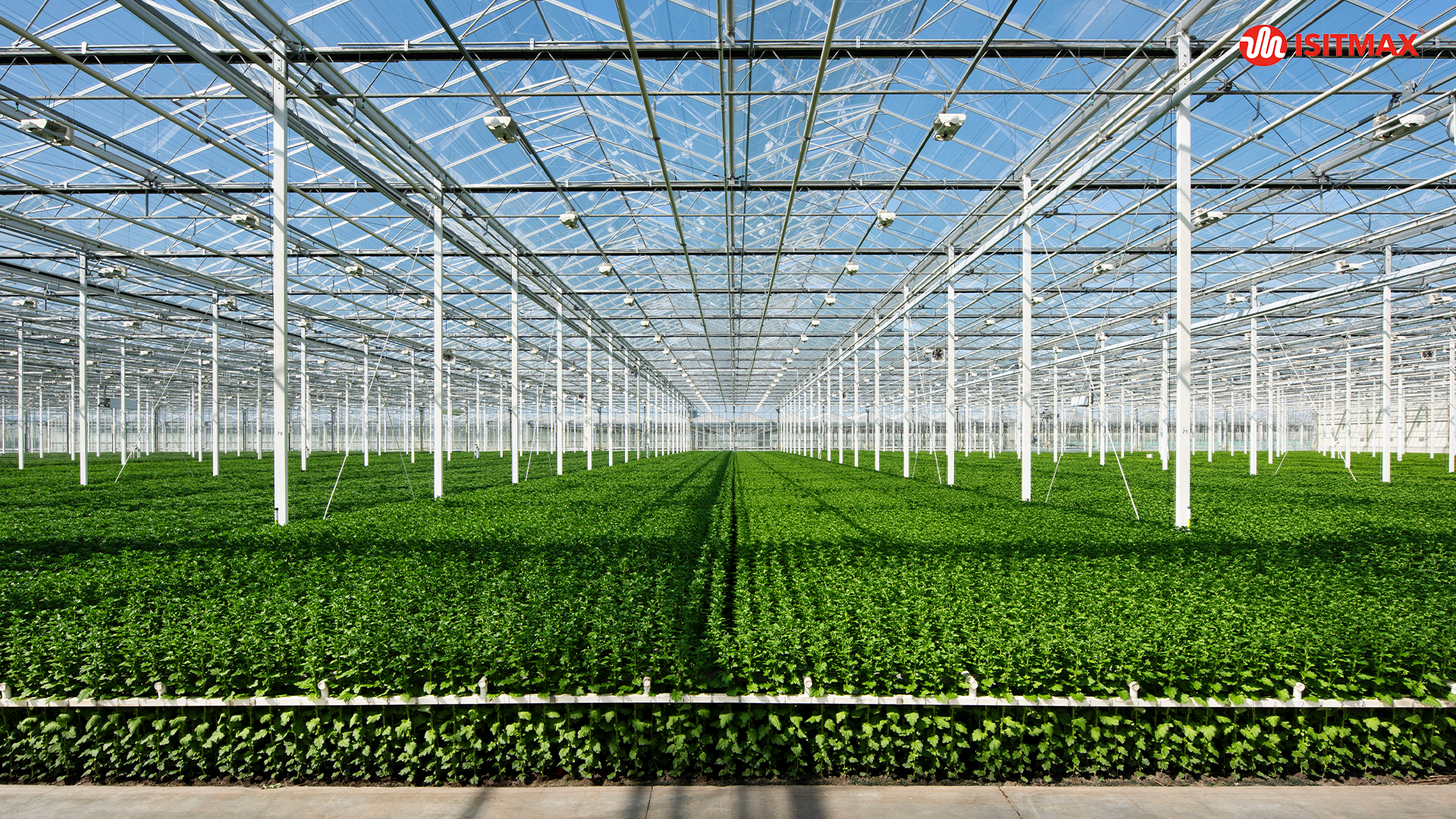
Vertical farming and traditional greenhouse production both aim to grow crops under controlled conditions, but they differ significantly in how they use space, lighting, climate control, automation and energy. The most suitable system depends on the crop, available production area, energy costs, target capacity and required level of environmental control.
What Is Vertical Farming?
You May Also Like
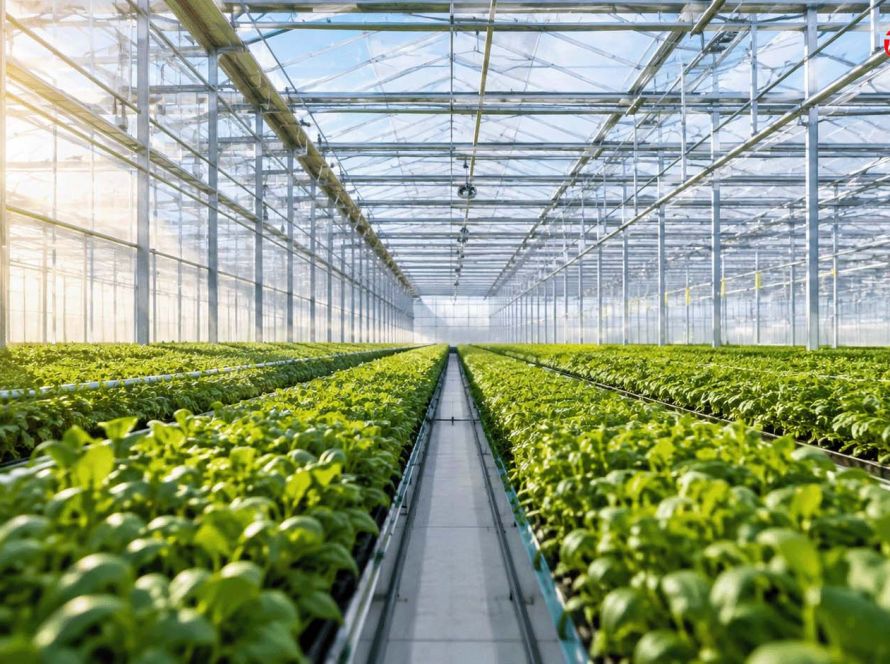
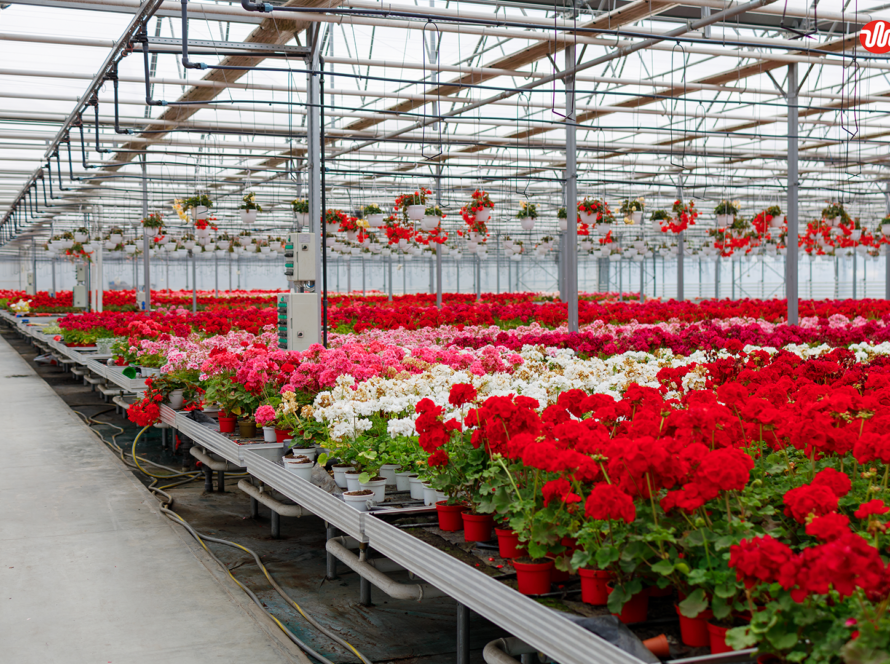
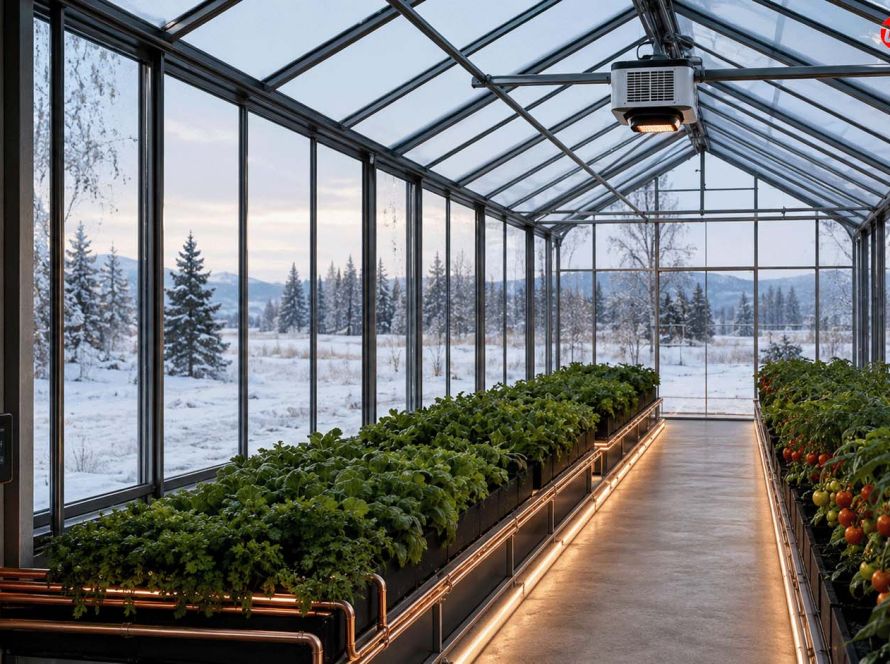
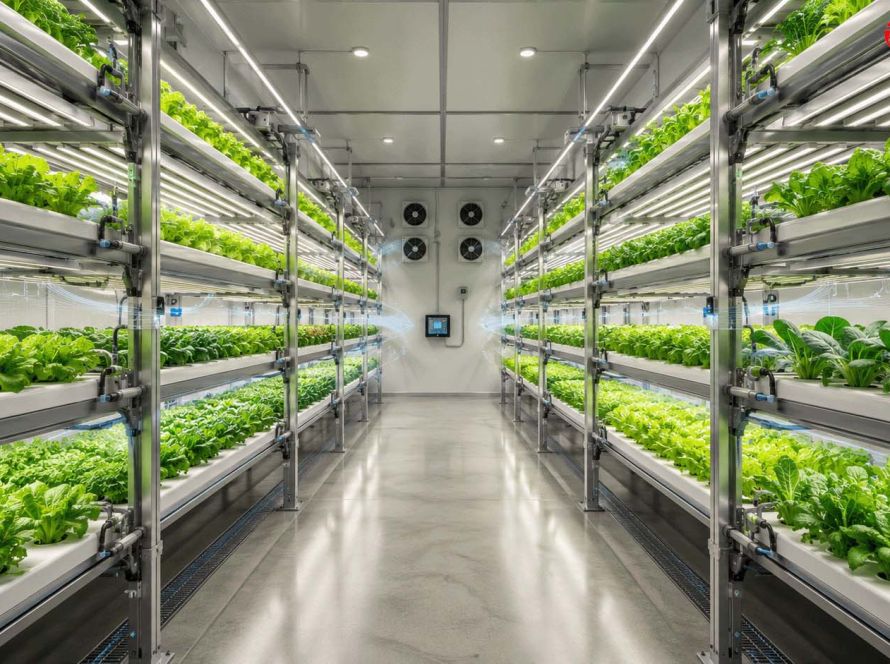
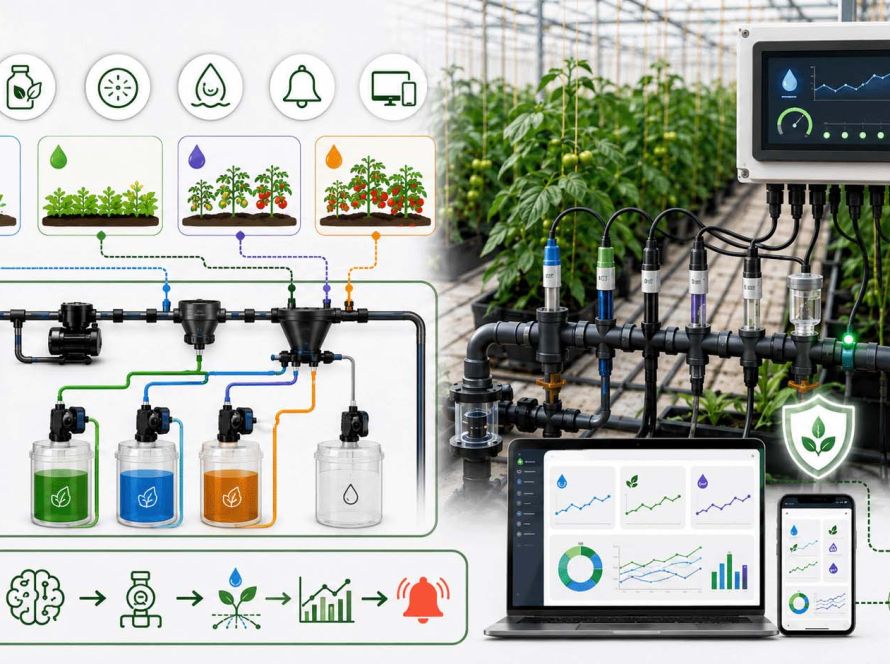
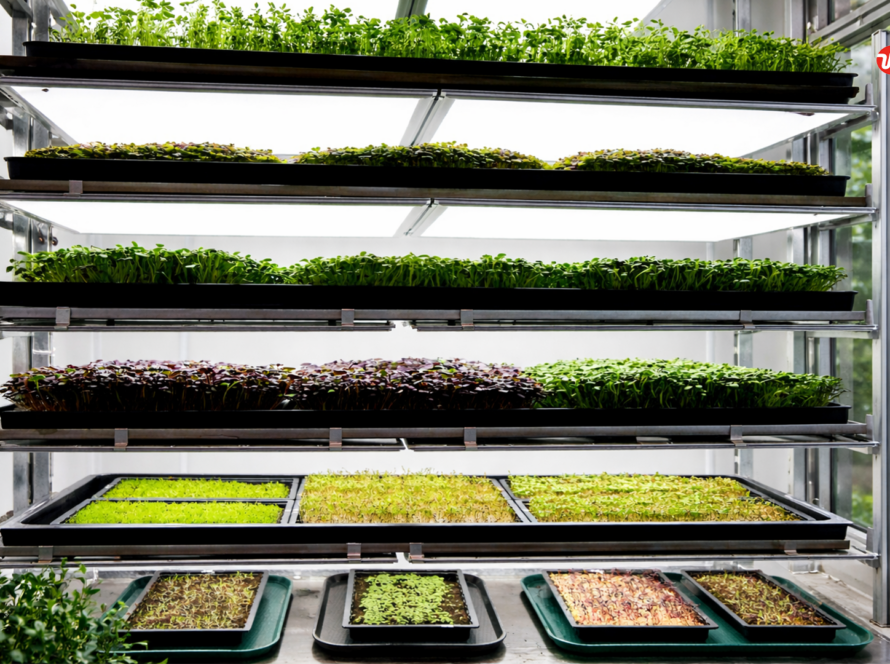
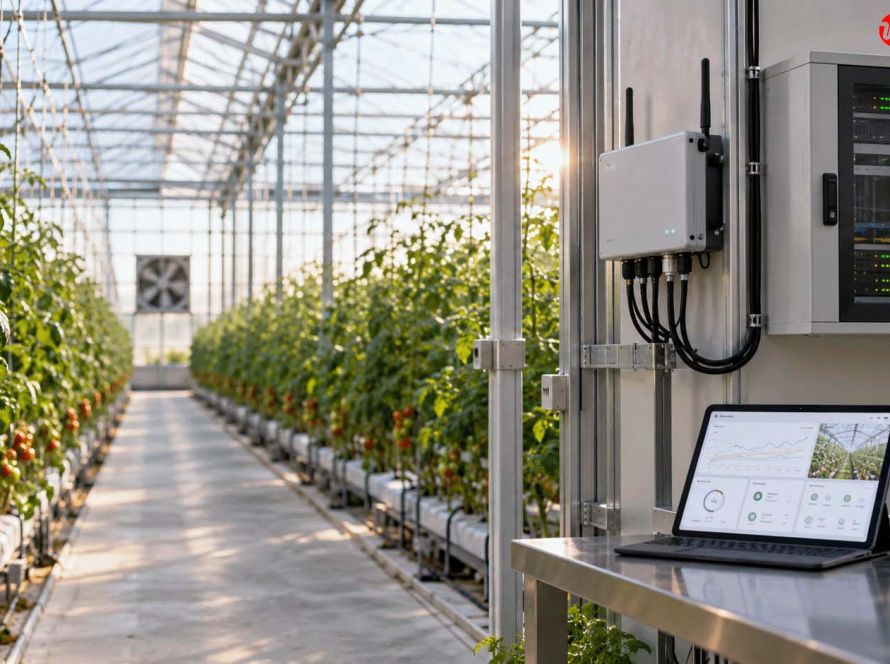
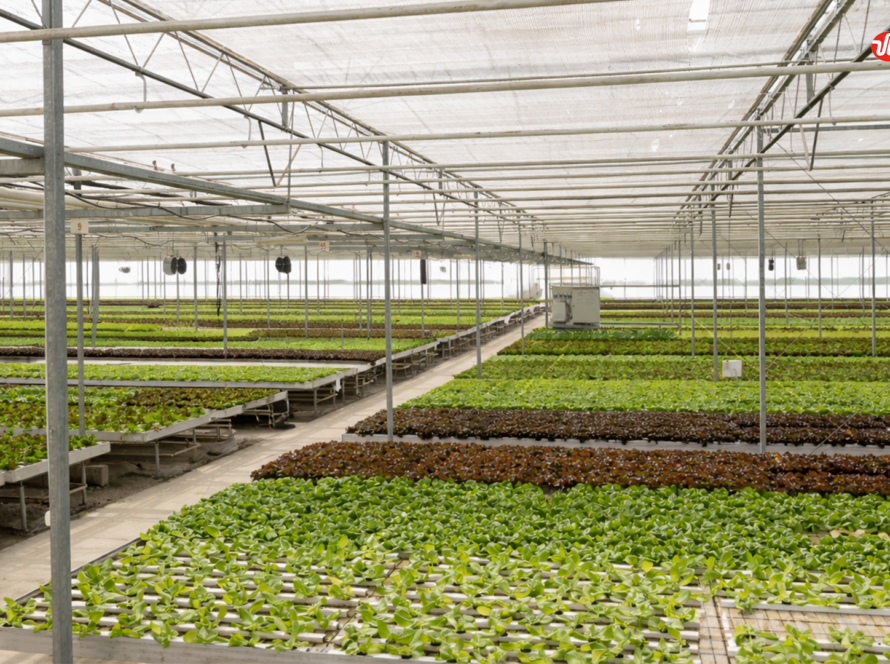
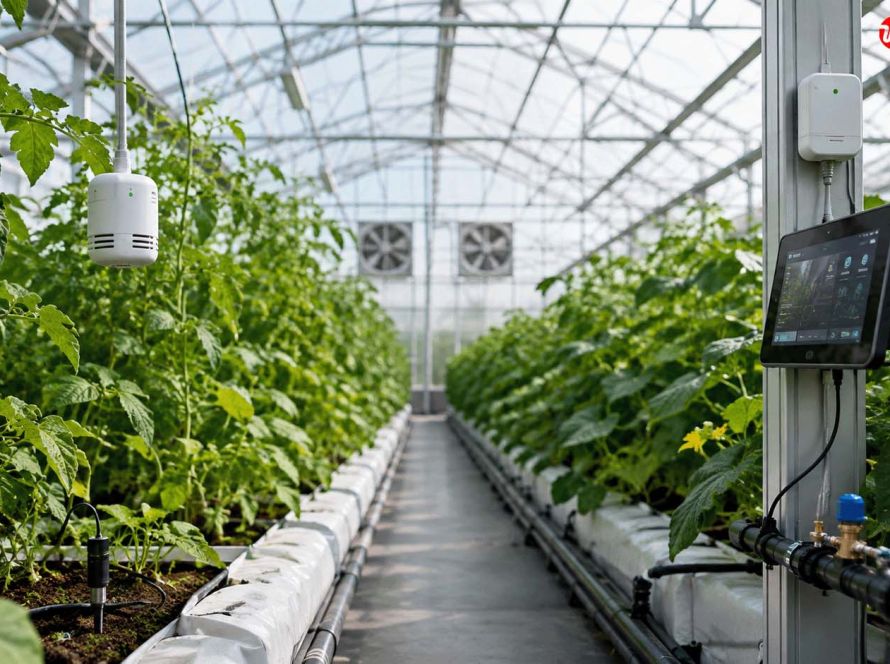
Vertical farming is a controlled-environment production method in which crops are grown on multiple stacked levels rather than only at ground level.
By using the height of a facility, several growing layers can be created within the same floor area. This can significantly increase active growing surface where land or production space is limited.
Vertical farming systems can combine hydroponics, LED grow lighting, irrigation, fertigation, climate control, sensors and automation within the same production infrastructure.
How Does Traditional Greenhouse Production Work?
In conventional greenhouse production, crops are generally grown on one production level using soil, growing beds, gutters or bench systems.
The greenhouse makes extensive use of natural sunlight while heating, ventilation, shading, irrigation and automation systems are used to control the production environment.
For large production areas, a traditional greenhouse can offer economic advantages for certain crops because it uses a simpler growing layout and generally requires less artificial lighting.
What Is the Main Difference Between Vertical Farming and Greenhouses?
The most important difference is how production space is used. Traditional greenhouse production expands mainly across horizontal floor area, while vertical farming creates several growing levels above the same footprint.
Multi-level rack systems can create significantly more active growing surface within the same floor area.
Production is generally arranged on a single level and benefits directly from natural sunlight.
Vertical Farming vs Traditional Greenhouse: Comparison
| Criteria | Vertical Farming | Traditional Greenhouse |
|---|---|---|
| Space utilization | High due to multi-level production | Usually limited to one main growing level |
| Natural light | Can be limited depending on the facility | Sunlight is the primary light source |
| Artificial lighting | Usually an important system component | Often supplementary or unnecessary |
| Climate control | Can provide a highly controlled indoor environment | More influenced by outdoor climate conditions |
| Automation requirement | Generally high | Can range from basic to highly automated |
| Energy demand | Can be high due to lighting and climate control | Can be lower because of natural sunlight |
| Production per floor area | Can increase significantly with additional growing levels | More directly limited by greenhouse footprint |
What Are the Advantages of Vertical Farming?
High Space Efficiency
Multiple growing levels can increase the active production surface available within the same building footprint.
Controlled Growing Environment
Temperature, humidity, lighting and irrigation conditions can be managed with a high level of precision.
Measurable Water Use
Hydroponic and recirculating systems can make water consumption easier to monitor and control.
Suitable for Automation
Sensors, irrigation, lighting and climate-control systems can be integrated into a centralized automation infrastructure.
What Are the Disadvantages of Vertical Farming?
Vertical farming is not automatically the most economical or efficient solution for every crop or production project.
Higher Initial Investment
Rack systems, LED grow lights, automation and climate-control equipment can significantly increase the initial project cost.
Energy Consumption
Facilities that rely heavily on artificial lighting can face substantial electricity costs.
Dependence on Technical Systems
Failures in irrigation, climate control or electrical systems can affect several growing levels at the same time.
Not Suitable for Every Crop
Plant height, production cycle, crop value and harvesting requirements can limit the economic feasibility of vertical systems.
Which Crops Are Best Suited to Vertical Farming?
Vertical farming is generally more attractive for compact crops with relatively short production cycles and enough economic value to justify the additional infrastructure and energy requirements.
Leafy greens, herbs and similar crops can be suitable for multi-level hydroponic production systems.
Crop selection should not be based only on whether a plant can technically grow in a vertical system. Energy costs, market value, production cycle and total operating expenses should also be evaluated.
The key question in vertical farming is not simply “how many levels can be installed?” but “how many production levels can be operated economically after investment, energy and operating costs are considered?”
How Should Vertical Farming Rack Spacing Be Designed?
The distance between growing levels should be determined according to crop height, lighting position, airflow, irrigation equipment and maintenance requirements.
Reducing the distance between levels may increase the total number of growing layers, but it can also create problems with light distribution, air circulation and access for workers.
For this reason, rack height should be evaluated according to crop development and operational access, not only maximum space utilization.
Why Is Lighting Important in Vertical Farming?
Lower growing levels in stacked production systems often cannot receive sufficient natural light. LED grow lighting therefore becomes one of the most important components of many vertical farming systems.
Light intensity, photoperiod, fixture-to-crop distance and heat generated by the lighting system should be evaluated together.
Lighting affects not only crop development but also the total electricity consumption and cooling or climate-control requirements of the facility.
Automation and IoT in Vertical Farming
Monitoring hundreds of sensors and pieces of equipment manually can become difficult in multi-level growing facilities. Automation is therefore an important part of vertical farming infrastructure.
Temperature, humidity, irrigation, energy consumption, lighting and equipment status can be monitored through centralized control systems.
Agroteknik's greenhouse automation approach combines sensors, IoT gateways, remote monitoring and control systems within a connected digital infrastructure.
A cloud-based greenhouse management platform can also be integrated for remote monitoring and historical data storage.
Is Vertical Farming Better Than a Traditional Greenhouse?
There is no single answer that applies to every project.
Vertical farming may be more attractive where land is expensive, year-round controlled production is required and high-value crops are being grown.
Traditional greenhouse production may be more economical when large areas of land are available, natural sunlight can be used efficiently and energy cost is a critical consideration.
The correct choice should be based on investment cost, energy use, crop value, production capacity, available space and automation requirements.
What Should Be Considered When Planning a Vertical Farming Project?
Select the Crop
Rack spacing, lighting requirements and production cycles depend heavily on the crop being grown.
Plan Space and Rack Layout
Worker access, maintenance zones and equipment access should be planned together with the number of growing levels.
Calculate Energy Requirements
Lighting, pumps, climate control and other electrical loads should be estimated before investment.
Design Automation from the Beginning
Sensors, irrigation, lighting and climate control should be planned during initial system design rather than added later.
Plan Your Vertical Farming Project with Agroteknik
We can evaluate your production area, target crop, rack system, irrigation, lighting, climate control and automation requirements to develop a suitable technical infrastructure for your project.